The Complete Guide to European Train Travel with Kids: Everything One Mom Learned the Hard Way
A complete first-person guide to traveling Europe by train with kids, covering Eurail passes vs. point-to-point tickets, the best scenic routes for families, what to pack, how to keep kids entertained, overnight train tips, and country-by-country advice from a mom who has done it all.
Disclosure: Some links below are affiliate links. As an Amazon Associate I earn from qualifying purchases, and may earn from Booking.com, Mavely, and CJ partner links at no extra cost to you.
This post contains affiliate links. If you make a purchase through these links, I may earn a small commission at no extra cost to you. See our full disclosure policy.

I still remember the moment I stood on the platform at Paris Gare du Nord with Lila (then four), three overstuffed suitcases, and absolutely no idea which track the Eurostar departed from. She was melting down over a dropped croissant, I was scanning the departure board, and I was quietly panicking about whether we'd make our connection. That was five years and roughly forty European train journeys ago. Today, I can honestly say train travel is the single best way to see Europe with a kid, and I would never go back to the stress of intra-European flights with little ones in tow. Vivi calls me a Eurail evangelist. She's not wrong.
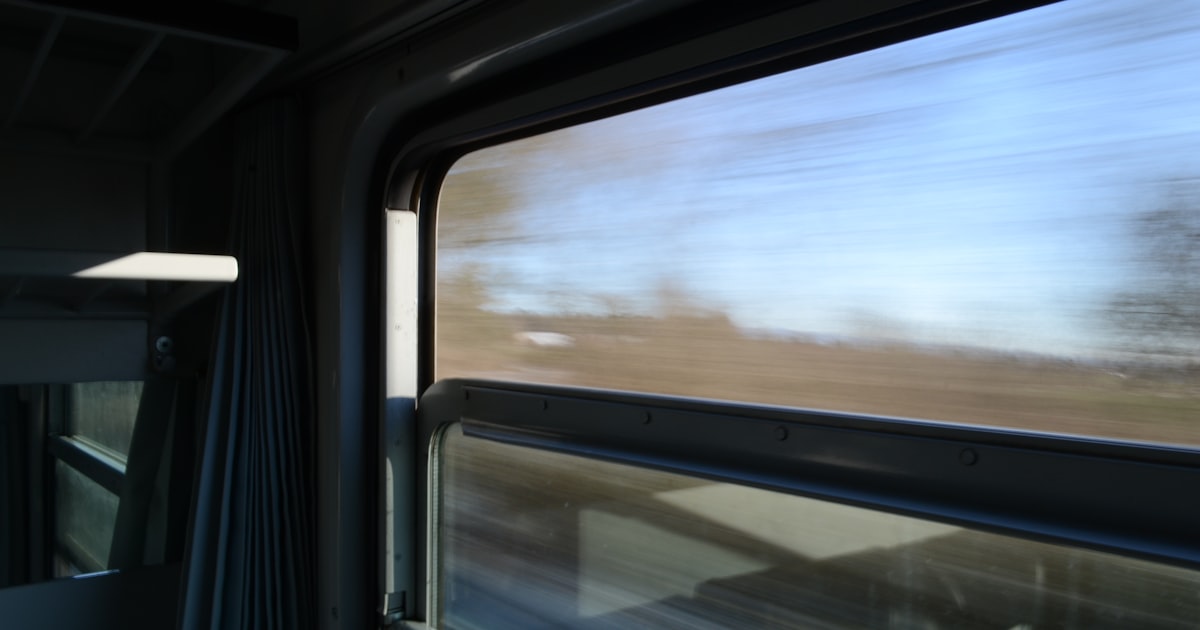
There's something genuinely magical about watching the countryside unfold through a wide train window. Your kid is not strapped into a cramped airplane seat wondering when they can use their tray table. They're free to move, explore, eat, play, and press their nose against the glass as Alpine meadows or Tuscan vineyards roll by. European trains are spacious, punctual (mostly), and designed with a level of comfort that makes the journey itself part of the adventure.
This guide is everything I wish someone had told me before that first chaotic trip. I have made the mistakes so you don't have to.
My Eurostar / train-day kit
Lila lives in her Béis weekender bag — same one I bring on every train. The day-bag essentials:
- Sony WH-CH520 headphones — the headphones I gave Lila for her tenth and she still uses.
- Anker PowerCore 10000 — three devices, one bench seat, one outlet (when there is one).
- Apple AirTags 4-pack — slid into the carry-on the moment we drop bags at Gare du Nord.
- reusable water bottle — fill at the platform, refill in Brussels, again in Cologne.
Eurail Passes vs. Point-to-Point Tickets: Which One Saves You Money
This is the first decision every family needs to make, and it depends entirely on how you plan to travel. I've done both, and each has a clear place in your planning toolkit.
When a Eurail Pass Makes Sense
A Eurail Global Pass gives you unlimited travel across 33 European countries within a set number of travel days. For families, the math often works in your favor because children aged 4 to 11 travel free with a paying adult on Eurail passes. That alone can save hundreds of euros on a multi-city trip. If you're planning to visit three or more countries, or if you want the flexibility to hop on a train without advance booking, a Eurail Pass is almost certainly your best bet.
I used a Eurail Global Pass on a three-week summer trip through France, Switzerland, and Italy with Lila, and it paid for itself by the third train ride. The freedom to change plans on a whim - to decide at breakfast that we'd take the scenic route through the Bernina Pass instead of the direct train to Milan - was priceless with a kid who is unpredictable by nature.
One important caveat: many high-speed and scenic trains require seat reservations even with a Eurail Pass, and those reservations cost extra. Budget an additional 10 to €30 per person per reservation for popular routes like the Eurostar, TGV, or Italian Frecciarossa trains.
When Point-to-Point Tickets Win
If you're only traveling between two or three cities in one country, point-to-point tickets booked in advance are often cheaper than a pass. Train operators like Deutsche Bahn, SNCF, and Trenitalia release advance-purchase fares that can be remarkably affordable, sometimes as low as €19 for a high-speed train between major cities. The trade-off is less flexibility, since these cheap tickets are usually tied to a specific train.
My rule of thumb: if your itinerary is fixed and you're booking more than two months out, check point-to-point prices first. If your trip involves multiple countries or you want flexibility, go with the Eurail Pass.
Booking Tips That Will Save Your Sanity
Booking European train tickets can feel overwhelming because every country has its own system, its own app, and its own quirks. Here are the strategies I've refined over dozens of bookings.
Book Reservations Early for Popular Routes
Seat reservations for the Eurostar (London to Paris or Brussels), the TGV in France, and the Frecciarossa in Italy open 90 to 120 days before departure. The cheapest fares sell out fast, especially during school holidays. I set calendar reminders for when booking windows open and grab seats the moment they become available.
Use the Right Booking Platforms
For Eurail Pass holders, the Eurail app handles most reservations. For point-to-point tickets, I book directly through national railway websites: bahn.de for Germany, sncf-connect.com for France, trenitalia.com for Italy, and sbb.ch for Switzerland. Third-party sites like Trainline can be convenient for comparing options across borders, but they sometimes add booking fees.
Always Request Family-Friendly Seating
Many European trains have designated family cars or areas with extra space, play zones, and sometimes even small playgrounds. German ICE trains have dedicated family areas in second class. Swiss trains often have family cars with play equipment. French TGV trains have nursery spaces. When booking, look for family seating options or call the railway directly to request seats in these sections.

The Best European Train Routes for Families
Not all train rides are created equal. Some routes are so stunning that the journey becomes the highlight of the trip. These are the ones Lila still talks about.
Paris to London on the Eurostar
The Eurostar through the Channel Tunnel is a rite of passage for any family traveling in Europe. The journey takes about two hours and fifteen minutes, and the novelty of going under the English Channel never gets old for kids. I always make a big deal of the moment the train plunges into the tunnel, counting the minutes until we emerge on the other side in a different country. The trains are comfortable with decent legroom, and there's a cafe car for snacks and drinks.
Pro tip: book seats in Coach 1 or the last coach for the quietest ride. Arrive at St Pancras or Gare du Nord at least 60 minutes before departure because security and passport control take time, especially with kids. And one warning that no AI is going to give you: pickpockets work the Eurostar arrival hall at Gare du Nord hard. Eyes up the second you're off the train. They target jet-lagged Americans with unzipped bags. Vivi has watched it happen twice and intervened both times.
Swiss Scenic Trains: The Glacier Express and Bernina Express
Switzerland is where European train travel reaches its peak, both literally and figuratively. The Glacier Express from Zermatt to St. Moritz takes about eight hours and crosses 291 bridges and passes through 91 tunnels. The panoramic windows mean your kid will have an unobstructed view of glaciers, deep gorges, and impossibly green valleys.
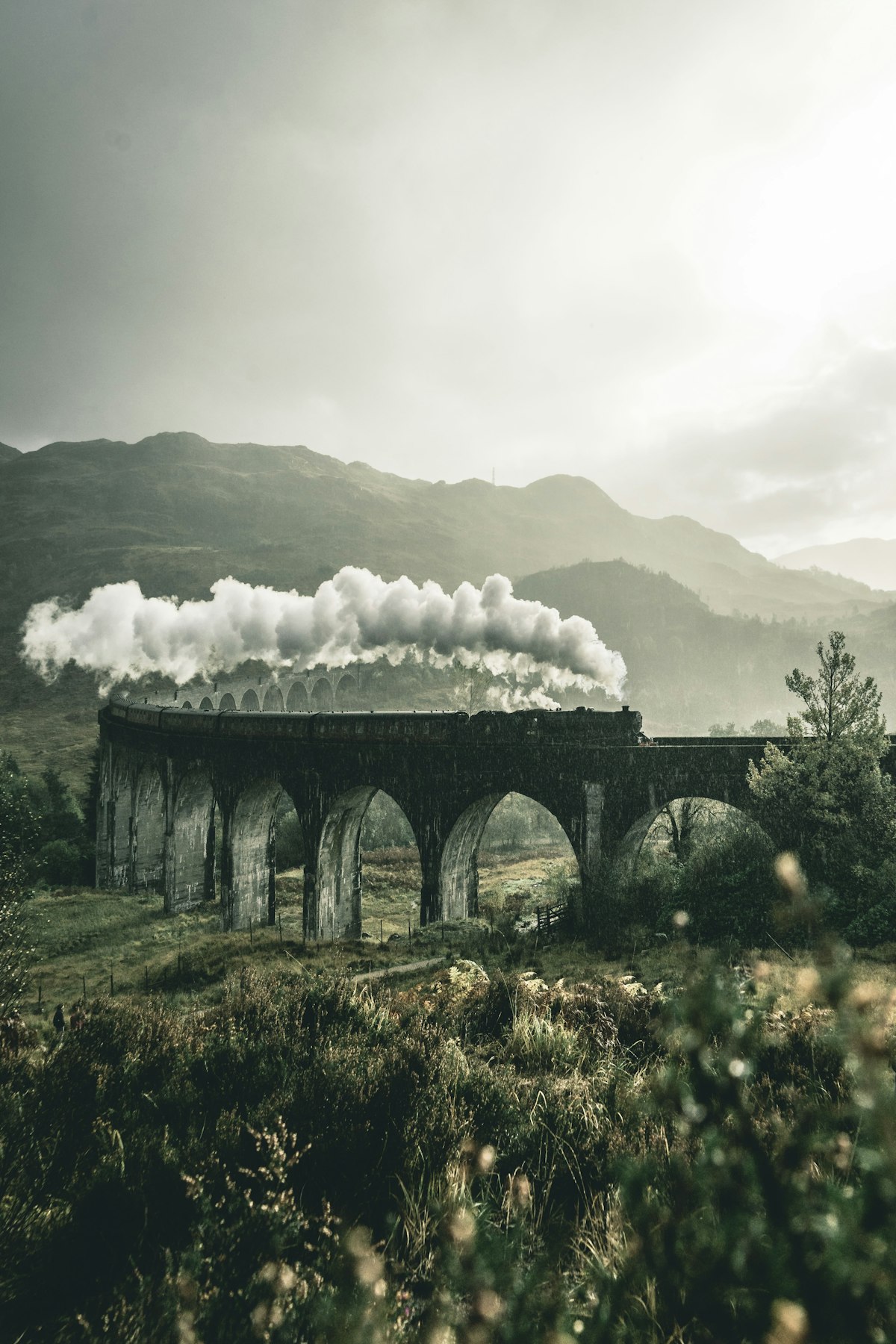
The Bernina Express from Chur to Tirano (crossing into Italy) is shorter at about four hours but equally spectacular. It climbs to over 2,000 meters and passes the stunning Landwasser Viaduct that looks like it belongs in a fantasy film. Lila was glued to the windows for the entire ride.
For families, I actually recommend the regular Swiss trains on these same routes rather than the named panoramic trains. The regular services use the same scenic tracks but cost significantly less, run more frequently, and allow you to break the journey at any station along the way. You can stop in a village for lunch and catch the next train an hour later. Swiss trains are never, ever late, by the way. I've never had one off by more than a minute. Set your watch by them.
Italy High-Speed: Rome to Florence to Venice
Italy's Frecciarossa trains are sleek, fast, and comfortable. Rome to Florence takes just 90 minutes at speeds up to 300 kilometers per hour, and Florence to Venice is about two hours. The speed alone impresses kids, and the trains have power outlets at every seat, good WiFi, and a proper restaurant car.
I always book second class on Italian trains because the seats are generously sized and the price difference from first class is significant. The family-friendly areas in the quiet zone of second class are spacious, with fold-down tables big enough for coloring or card games.
More Routes Worth Your Time
The overnight train from Paris to Barcelona is an adventure in itself if your kid is old enough to enjoy sleeping on a train (this is my pick - I've used night trains four times and prefer them to day trains by a wide margin). The Bergen Railway in Norway crosses the roof of Scandinavia with fjord views that will stop you in your tracks. The Prague to Vienna route follows the Danube for a stretch and takes only four hours through rolling farmland. And the coastal train from Cinque Terre to Genoa hugs the Italian Riviera with tunnels that open to sudden bursts of Mediterranean blue.
Keeping Kids Entertained on Long Train Rides
This is where train travel truly shines compared to flying. The space, the views, and the freedom to move around give you so many more options for keeping a kid happy.
The View Is Your Best Friend
Before every train ride, I give Lila a scavenger hunt list of things to spot out the window: castles, churches, cows, rivers, tunnels, bridges, other trains going the opposite direction. It sounds simple, but she will happily stare out the window for an hour with a checklist and a pencil. On Swiss and Austrian routes especially, the scenery changes so dramatically that the window becomes its own entertainment.
Screen Time Without the Guilt
I'm a firm believer that long travel days are when screen time rules can be relaxed. A good pair of kids' noise-cancelling headphones is non-negotiable for train travel. They block out the ambient train noise, protect little ears with volume limiting, and mean your child can watch a movie or play a game without disturbing other passengers. Download content before you leave because WiFi on European trains is notoriously unreliable.
Analog Entertainment
Screens are great, but I always pack non-digital activities too. A compact travel card game is perfect for those fold-down tray tables. Lila and I have played our way across half of Europe with card games, and they take up almost no space in your bag. I also bring a small sketchbook and colored pencils, a few sticker activity books, and a journal to document the trip.
The walk to the cafe car is another built-in entertainment break. I let Lila lead the expedition to get a hot chocolate or a snack, and the act of walking through several train cars, navigating the automatic doors, and choosing a treat at the counter can easily fill twenty minutes.
The Snack Strategy
Never, ever board a European train with a kid without enough snacks to survive a minor apocalypse. Train cafe cars are expensive and have limited options that kids actually want to eat. I pack a snack spinner container filled with a rotating selection of crackers, fruit, cheese, and small treats. The compartmentalized design means you can offer variety without everything mixing together. I also bring a baguette sandwich from the station bakery, because there is no better train food than a fresh French sandwich eaten while watching Provence roll past the window.
Sleeping on Overnight Trains
Overnight trains are making a comeback in Europe, and they're a fantastic option for families. You save on a night of hotel accommodation, you cover long distances while everyone sleeps, and kids think sleeping on a train is one of the coolest things they've ever done.
Booking Family Compartments
Most overnight trains offer three levels of accommodation: seats, couchettes (basic bunks, usually four or six per compartment), and sleeper cabins (private rooms with one to three beds, a sink, and sometimes an en suite bathroom). For families, I strongly recommend booking a private couchette or sleeper compartment. Having your own lockable space means you can let your kid change into pajamas, read bedtime stories, and settle in without worrying about strangers or keeping quiet for other passengers.
The Austrian Nightjet trains are the gold standard for family overnight travel. Their family compartments sleep up to four people, include fresh linens and a morning breakfast basket delivered to your door, and the compartments are clean and well-maintained. The Nightjet network connects cities like Vienna, Munich, Hamburg, Rome, Venice, and Zurich. Book these as early as possible because family compartments sell out months in advance during peak season.
Making Overnight Trains Work with Small Children
A good kids' travel neck pillow makes a huge difference for sleeping comfort on trains, even in a proper berth. The wraparound design supports their head and chin so they don't end up slumped at awkward angles. I also bring a small, familiar blanket from home, a pillow case to put over the train pillow (it smells like home and helps Lila settle), and a dim clip-on reading light for bedtime stories.
Stick to your bedtime routine as closely as possible. We brush teeth in the tiny compartment sink, read one book, and then lights out. The gentle rocking of the train usually puts Lila to sleep faster than she falls asleep at home. The morning arrival in a new city, with coffee and croissants waiting on the platform, is one of the great joys of family travel.
Navigating European Train Stations with Kids
Train stations are where the chaos happens. Trains themselves are peaceful. Stations are a different story, especially the large ones like Paris Gare de Lyon, Milano Centrale, or London St Pancras. Here is how I keep it manageable.
Arrive Early, But Not Too Early
For domestic trains, I aim to arrive 20 to 30 minutes before departure. For international trains requiring passport control (like the Eurostar), 60 to 90 minutes is safer. Arriving too early with a kid is almost as stressful as arriving too late because you end up managing a bored, restless child in a crowded station.
Know the Station Layout in Advance
Most major European stations have maps available online. I always check the station layout before we arrive so I know where the platforms are, where the elevators and escalators are (essential for luggage), where the restrooms are, and where to find food. Knowing that there's a bakery on the main concourse or a play area near Gate B reduces stress enormously.
Use the Luggage Carts and Elevators
Many European stations have free or inexpensive luggage carts, and almost all have elevators to reach platforms. Always use them with kids. Hauling bags up stairs while holding a small hand is an accident waiting to happen. If the elevator is hard to find, ask station staff. They are almost always happy to point you in the right direction.
The Buddy System
In busy stations, I use a buddy system. Lila holds onto a specific bag. Nobody wanders. We pick a meeting point the moment we enter the station (usually a visible landmark like a clock, a statue, or a shop) in case anyone gets separated. I write my phone number on a slip of paper in her pocket, just in case.
Country-by-Country Train Tips
Every European country has its own railway culture, and knowing the quirks in advance makes everything smoother.
France
The TGV network is excellent, connecting Paris to most major cities in under four hours. Children under 4 travel free, and kids 4 to 11 get discounted fares. The TGV requires seat reservations, and the cheapest fares (called Ouigo) are bare-bones but incredibly affordable. French trains are generally very punctual. Station boulangeries sell the best pre-train sandwiches in Europe.
Germany
Deutsche Bahn ICE trains are spacious and comfortable. Children under 15 travel free when accompanied by a parent or grandparent, making Germany one of the most affordable countries for family train travel. The family areas in second class have extra space and sometimes small play zones. German trains have a reputation for delays, so build buffer time into connections. The DB Navigator app is essential for real-time updates.
Switzerland
Swiss trains are the most punctual and scenic in Europe. The Swiss Family Card lets children under 16 travel free with a parent on any Swiss train, and it's included for free with the Swiss Travel Pass. Even regular commuter trains in Switzerland have stunning mountain views. The stations are immaculate, with excellent facilities including family rooms at larger stations. Switzerland is expensive, but the trains are worth every franc.
Italy
Trenitalia and Italo compete on the high-speed routes, which means great prices if you book early. Children under 4 travel free, and kids 4 to 14 get significant discounts. Italian trains range from the sleek Frecciarossa to slower regional trains that stop at every village. For families, the slower regional trains can actually be more enjoyable because you see more of the countryside and there is less pressure about specific departure times.
Spain
The AVE high-speed trains connect Madrid, Barcelona, Seville, and Malaga at speeds up to 310 kilometers per hour. The trains are modern and comfortable, with a particularly good restaurant car. Children under 4 travel free, and kids 4 to 13 get a 40 percent discount. Spanish trains are generally very punctual. The Barcelona-to-Seville route is a family favorite because it crosses the dramatic landscapes of Castilla-La Mancha.
Austria
Austrian OBB trains are clean, punctual, and family-friendly. Children under 6 travel free, and kids 6 to 14 travel free with a parent on most services. The Nightjet overnight services are the best in Europe for families. Austria is also a gateway to Eastern Europe, with excellent connections to Prague, Budapest, and Ljubljana.
Netherlands and Belgium
The old Thalys network has now been folded into Eurostar, connecting Amsterdam, Brussels, and Paris. Dutch trains are frequent and efficient, though rarely scenic. Belgian trains connect major cities quickly and affordably. Both countries are compact enough that no journey takes more than a few hours, which is ideal for families with young children who have limited patience for long rides.
Scandinavia
Norwegian and Swedish trains offer some of the most dramatic scenery in Europe, though they cover vast distances. The Oslo-to-Bergen railway in Norway is considered one of the most beautiful train rides in the world. Bring warm layers even in summer because station platforms can be cold. Scandinavian trains tend to be expensive but immaculate, with excellent facilities for families.

Practical Tips I Learned the Hard Way
Validate Your Ticket
In many European countries, particularly Italy and France, you must validate (stamp) your ticket at a machine on the platform before boarding. If you don't, you can be fined even if you have a valid ticket. This caught me off guard in Italy on my very first trip. With Eurail Passes and e-tickets, this is less of an issue, but always check.
Mind the Gap (and the Platform)
European trains sometimes have a significant gap between the platform and the train, and the steps up into older trains can be steep. With a small kid, always board and exit first so you can help them navigate the gap safely. On high-speed trains, the platforms are usually level with the train floor, but regional trains can be more challenging.
Learn Basic Phrases
Knowing how to say "where is the platform for" and "does this train go to" in the local language goes a long way. Station staff in major cities speak English, but in smaller stations, a few words of French, German, or Italian can make the difference between catching your train and watching it leave.
Download Offline Maps
WiFi on European trains is unreliable. Download offline maps of your destination cities before you board. Google Maps and City Mapper both allow offline downloads that work without a data connection. Also download entertainment for your kid because streaming will not work consistently.
Travel Insurance Is Not Optional
Train strikes, cancellations, and delays happen. I've been stranded by a French rail strike and delayed by six hours due to a broken-down train in Germany. Good travel insurance that covers transportation delays, missed connections, and the cost of alternative arrangements is essential for family trips.
The journey is the destination is not just a cliche when you're traveling by train in Europe with a kid. Some of my favorite memories with Lila were not made at famous landmarks. They were made on trains, watching the world go by together, playing card games on fold-down tables, and eating croissants as we pulled into a new city at dawn.
Your Family Train Travel Packing Checklist
To wrap things up, here's my tested and refined packing list for European train travel with kids. Every item on this list has earned its place through real-world use across dozens of train journeys.
- Bags: One backpack per adult, one small rolling bag for the family, one train day bag
- Packing cubes to keep everyone's clothes organized and accessible
- Kids' headphones with volume limiting and noise cancellation
- Snack containers filled with a variety of portable foods
- Travel card games and activity books
- Travel neck pillows for sleeping on overnight trains
- Water bottles and extra snacks from the station bakery
- Change of clothes for each child in the day bag
- Wet wipes, hand sanitizer, and plastic bags for messes
- Chargers and a portable battery pack
- Passports and tickets in an easily accessible pouch
- Offline maps and downloaded entertainment on devices
- A small, familiar comfort item from home for each child
Final Thoughts
European train travel with kids is not always effortless. There will be missed connections, cranky mornings, and at least one dramatic meltdown in a busy station. But the rewards far outweigh the challenges. Your kid will develop a sense of independence and confidence from navigating new places. They'll learn patience from waiting on platforms and flexibility from adapting to schedule changes. They'll see landscapes that no highway or airport terminal can offer. And they'll have stories - real stories about sleeping on trains and eating croissants in new cities - that they will carry with them forever.
The key is preparation, the right gear, and a willingness to embrace the unexpected. Europe's rail network is one of the great gifts of this continent, and sharing it with your kid is one of the best decisions you'll make as a traveling family.
If you have questions about specific routes, booking tips, or anything else about European train travel with kids, leave a comment below or send me a message. I'm always happy to help a fellow mom plan her family's next adventure on the rails.

Pin this for later! Save this guide for your next European train adventure with kids. Pack a compact first aid kit. Cobblestone blisters are real. Comfortable walking shoes are essential.
Family Travel Essentials
My tried-and-tested picks for this trip:
Recommended Products
Osprey Daylite Plus Daypack
Versatile travel backpack perfect for day trips from the train station
View on Amazon
LOBKIN Kids Noise Cancelling Headphones
Bluetooth 5.4 kids headphones with ANC, 50-hour battery, and safe volume limiting for long train journeys
View on Amazon
GoBe Kids Snack Spinner Container
5-compartment rotating snack container that keeps kids entertained while snacking on trains
View on Amazon
Anomia Card Game
Compact travel card game for the whole family - fast-paced and perfect for European train rides
View on Amazon
BCOZZY Kids Travel Neck Pillow
Patented chin-supporting travel pillow for kids ages 3-7 - ideal for sleeping on overnight trains
View on AmazonAmazon Essentials 4-Piece Packing Cubes Set
Color-coded packing cubes in 4 sizes - one per family member to keep train luggage organized
View on Amazon* Affiliate links: We may earn a commission from purchases made through these links, at no extra cost to you. See our full disclosure.