The Amalfi Coast with Kids: Lemon Groves, Cliff Towns, and Italian Family Magic
The Amalfi Coast with kids is challenging but unforgettable. Pastel villages, lemon groves, crystal-clear swimming, and the best pizza of your life await.
Disclosure: Some links below are affiliate links. As an Amazon Associate I earn from qualifying purchases, and may earn from Booking.com, Mavely, and CJ partner links at no extra cost to you.
What rides in my bag for this trip
Lila lives in her Béis weekender bag — same one I bring. For lodging, I start by browsing family hotels on the Amalfi Coast and narrow from there.
- EBAGS packing cubes — the system that has survived six summers of European travel.
- Apple AirTags 4-pack — one in every suitcase. Non-negotiable for connections through Heathrow or CDG.
- universal travel adapter — Type C and G in one plug, no fishing for the right prong.
- compression socks — I gave up pretending these are optional after age 35.
The Amalfi Coast: Italian Family Magic
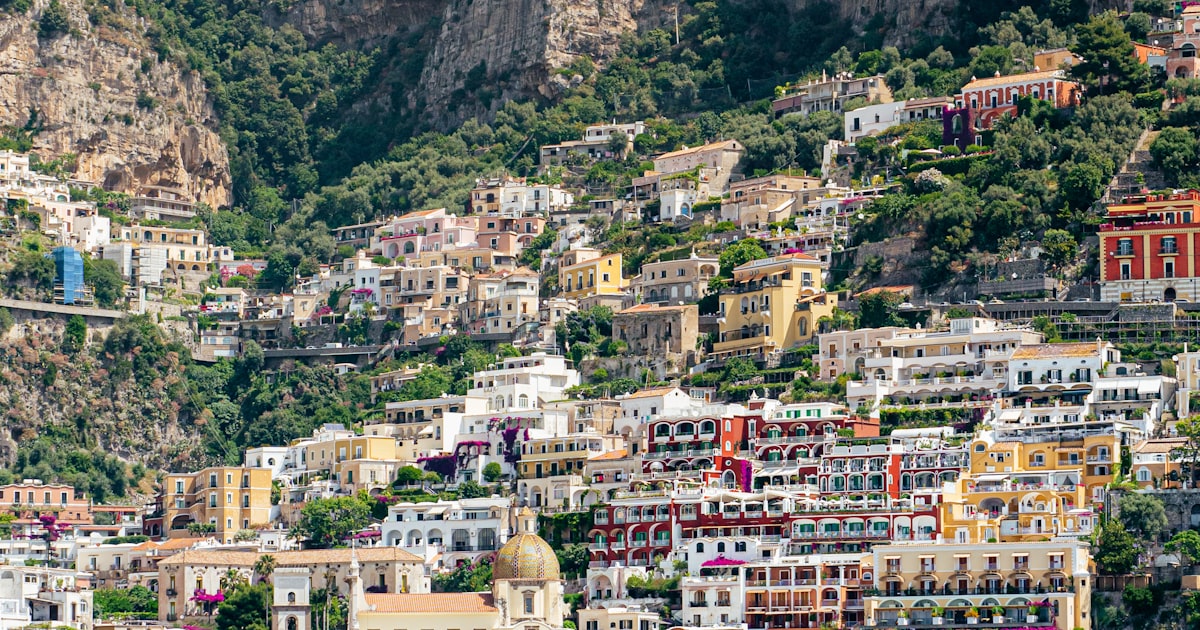
The Amalfi Coast is one of those places that seems almost too beautiful to be real. Pastel-colored villages cling to dramatic cliffs above an impossibly blue sea, lemon groves cascade down terraced hillsides, and the scent of jasmine and fresh-baked pizza hangs in the warm Mediterranean air. I'd seen the photos a thousand times, but nothing prepared me for the actual experience of rounding a bend on the coastal road and seeing Positano tumbling down its cliff for the first time. I'm not going to lie, I gasped audibly. Lila looked at me like I'd lost it.
Now, full disclosure: the Amalfi Coast with kids requires more planning than a typical European city trip. The roads are narrow and winding, many villages involve a lot of stairs, and it's not the kind of destination where you can just wing it. But with the right preparation it's an genuinely good trip for families. The kind of trip your kid will remember forever.
A good compact travel stroller is useful for flat stretches and waterfront promenades, but be aware that many Amalfi Coast villages are essentially vertical. Positano is famously "the town that's all stairs," and you'll understand why approximately three minutes after arriving. For babies and toddlers, a hiking carrier is honestly more practical for getting around the villages.
Choosing Your Home Base
The Amalfi Coast stretches about 30 miles along the southern edge of the Sorrentine Peninsula, and where you stay makes a huge difference for families. We based ourselves in Amalfi town for five nights and it was the right call. Amalfi is centrally located (making day trips easy in both directions), has a flat waterfront promenade, a sandy beach, and more restaurants and shops than the smaller villages. It feels like a real town rather than just a tourist destination.
Positano is the most photogenic village and the most popular, but it's expensive, extremely crowded in summer, and those stairs can be brutal with kids. If you stay here, make sure your accommodation is near the beach rather than at the top of the village, unless you enjoy climbing 400 steps with a crying child. Skip the cliff-top boutique hotels with kids. Trust me. Ravello, perched high above the coast, is quieter and cooler, with stunning gardens and views, but it requires a bus ride down to reach any beach.
Sorrento, technically not on the Amalfi Coast itself but at the western end of the peninsula, is another excellent family base. It's larger, has more amenities, is easier to reach from Naples, and has regular ferry connections to Capri and the Amalfi Coast towns. Several of Vivi's Paris-mom friends have based in Sorrento and reported back glowingly.
Getting Around the Coast
The famous Amalfi Coast road (SS163) is a narrow, winding two-lane road carved into cliffs hundreds of feet above the sea. It's thrilling, terrifying, and beautiful in roughly equal measure. If your kid gets carsick, this is the road that will confirm it. Lila, who normally never gets carsick, turned green within ten minutes. Bring motion sickness remedies and put kids in front seats if possible.
The SITA buses are the most common way to get around and are very affordable, but they're often crowded in summer and the ride can be white-knuckle on the cliff-edge turns. Ferries are a much more pleasant alternative for families. They connect the major towns (Amalfi, Positano, Salerno, and Sorrento) from April through October, and the views from the water are spectacular. Kids love the boat ride and you avoid the road entirely.
I used a mix of ferries and buses and it worked well. Hiring a private driver for a day is another option that's surprisingly affordable when split among a couple of families. They know the roads intimately and you can stop at viewpoints along the way. Whatever you do, don't try to drive yourself unless you're very comfortable with narrow European mountain roads. Renato, my chef in Rome, calls Americans who try this "the bumper donors." He's not wrong.
The Best Villages to Visit with Kids
Amalfi town is your all-purpose family village. The Cathedral of St. Andrew is impressive (climb the staircase and explore the cloister), the waterfront has restaurants and gelato shops, and the beach, while small, is sandy and swimmable. The Paper Museum, housed in an old paper mill, is a surprisingly engaging visit where kids can learn about Amalfi's historic paper-making tradition and even make their own sheet of paper. Lila's still has it on her wall.
Positano is worth a visit even if you don't stay there. Take the ferry over, descend the stairs to the beach (it's the going down that's the easy part), swim in the crystal-clear water, have lunch at a beachfront restaurant, browse the colorful boutiques, and take the ferry back. One day is enough to experience the magic without the exhaustion of staying here with a kid.
Ravello is the quiet gem of the coast. The Villa Rufolo gardens are beautiful and host the famous Ravello Festival music concerts in summer. Villa Cimbrone's "Terrace of Infinity" offers what might be the most spectacular view on the entire coast. An endless panorama of sea and sky that takes your breath away. Lila, who is generally immune to views, stood there in silent wonder for a full minute before asking for gelato.
Beaches and Swimming
The Amalfi Coast's beaches aren't the wide, sandy stretches you might be used to. They're mostly small coves with a mix of sand and pebbles, flanked by dramatic cliffs. Many are operated as beach clubs (stabilimenti) where you rent chairs and umbrellas for the day, which actually works well for families because you get shade, a changing area, and sometimes a restaurant. Free public beaches exist but are smaller and fill up early in summer.
Quick warning: the "umbrella service" charges at some Italian beach clubs are by the hour, not the day, and the sign is in small print at the entrance. Read it before you sit. I learned this with a 60-euro bill at Maiori for an afternoon I assumed was 20.
The beach at Amalfi town is one of the most accessible and family-friendly. Atrani, the tiny village just around the headland from Amalfi (walkable through a tunnel), has a lovely small beach that's less crowded. The beach at Minori is wide by Amalfi Coast standards and popular with Italian families. One of the most kid-friendly beaches on the coast.
For a special adventure, take a boat from Amalfi to the Emerald Grotto (Grotta dello Smeraldo), where the water glows an ethereal green from sunlight filtering through an underwater cave opening. It's a short visit but genuinely awe-inspiring. Like swimming inside an emerald. Kids are mesmerized by it. Apply plenty of reef-safe sunscreen before any beach day, because the Mediterranean sun reflects off the water and the cliffs, and burns happen fast.
Where to Eat with Kids
Eating on the Amalfi Coast is one of life's great pleasures, and kids are welcomed enthusiastically at every restaurant. The food is simple, fresh, and based on what's local. Seafood from the morning's catch, tomatoes ripened in the southern Italian sun, mozzarella made that morning, and lemons the size of softballs that flavor everything from pasta to granita to the famous limoncello.
Pizza is available everywhere and is uniformly excellent. Proper Neapolitan-style pizza with blistered crusts, San Marzano tomatoes, and fresh mozzarella. Lila ate pizza almost every day and I have zero regrets. Pasta with lemon and shrimp is a local specialty that's wonderful, and any seafood dish will be fresh and flavorful. For a treat, try the delizia al limone, a lemon sponge cake dessert that's light, citrusy, and utterly addictive.
One Italian etiquette note that no AI is going to tell you: if you order an espresso at a coffee bar, stand at the counter to drink it. Sitting at a table can triple the price (this is the legal coperto plus table service). I'm not making this up. Renato told me to write it down, and he was correct.
Restaurant prices on the Amalfi Coast vary wildly. Waterfront restaurants in Positano can be eye-wateringly expensive, while a family trattoria one street back in Amalfi or Minori might serve equally good food for half the price. Ask locals for recommendations and don't be afraid to venture off the main tourist streets. Some of our best meals were at tiny places with handwritten menus and grandmothers in the kitchen.
Best Time to Visit and Practical Tips
May, June, and September are the sweet spots. The weather is warm and sunny (80-85 degrees), the sea is swimmable, and the crowds are manageable. July and August are peak season. Extremely hot, packed with tourists, significantly more expensive. The coast has a completely different energy in August when it seems like every Italian family is on vacation simultaneously. If you must go in high summer, book everything months in advance and steel yourself for crowds.
April and October are shoulder season gems. The weather might be slightly cooler, some beach clubs may be closed, and there's a chance of rain. But the coast is quieter, prices drop, and the light is gorgeous. I went in mid-September with Lila and it was idyllic. Warm enough for swimming, uncrowded enough to get restaurant tables without reservations, and the summer haze had cleared to reveal stunning views.
Budget tips: stay in Amalfi, Minori, or Maiori rather than Positano for better value. Take ferries and buses rather than taxis. Eat lunch at a pizzeria or grab focaccia and fruit from a shop for a picnic. Buy limoncello and ceramics directly from producers rather than tourist shops. And remember that the best thing about the Amalfi Coast - the staggering natural beauty - is completely free. Just walking along the cliffs, watching the sunset paint the villages pink and gold, and breathing in that lemon-scented air is worth the entire trip. Comfortable walking shoes are essential. Bring a reusable water bottle for everyone. Pack a compact first aid kit. Cobblestone blisters are real. A waterproof phone case lets you take photos worry-free.
Beach Day Essentials
My tried-and-tested picks for this trip:
Recommended Products


* Affiliate links: We may earn a commission from purchases made through these links, at no extra cost to you. See our full disclosure.